Growing Fruit Trees in Pots: A UK Patio Guide
October 10, 2026 - Gardening Tips

October 10, 2026 - Gardening Tips
October 07, 2026 - Varieties
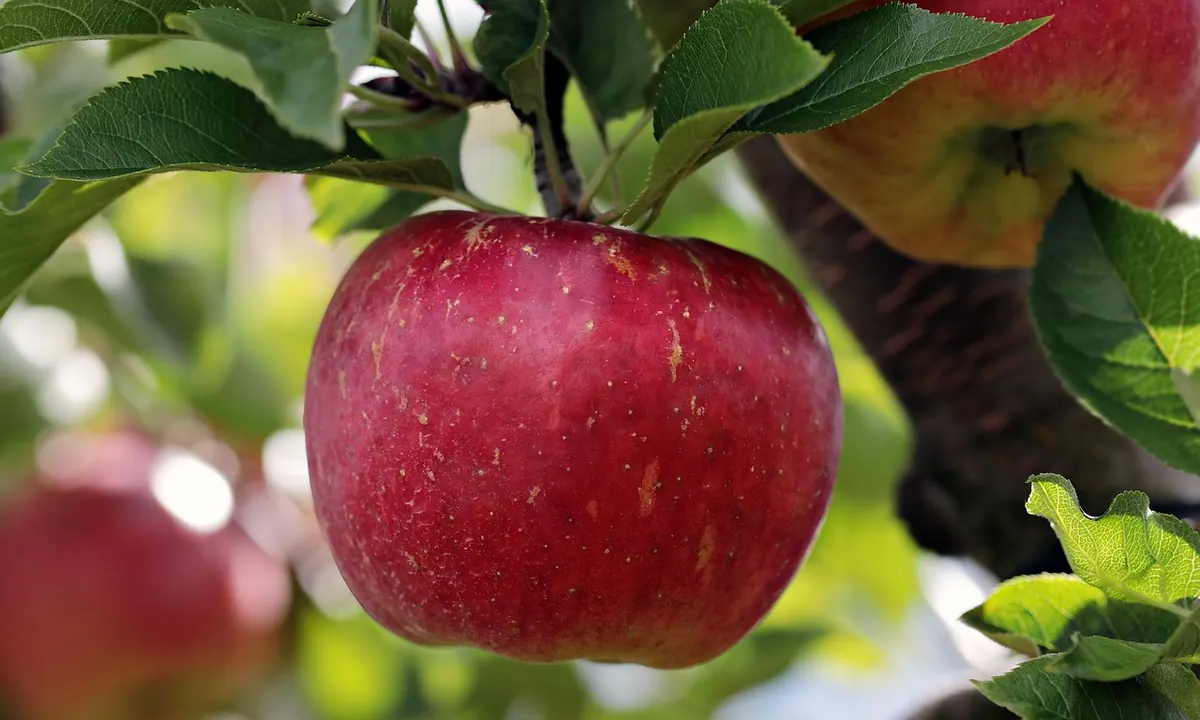
There is a particular satisfaction in eating your own apples in February, when the trees outside are bare and the garden is doing nothing at all. Getting there takes very little equipment — a few boxes, some newspaper and a cool corner — but it does take discipline on the day you pick. Sort badly and you will be throwing fruit on the compost by Christmas. Sort well and a modest crop can carry you through to spring.
The most useful hour you will spend is the one straight after picking. Fruit destined for long storage has to be perfect: no bruises, no bird pecks, no split skin, no brown patches around the eye. Every small flaw is an entry point for rot, and rot spreads.
Divide the harvest into three groups.
Never wash fruit you intend to store. The natural bloom on the skin helps protect it, and moisture encourages mould. Never store windfalls, however sound they look; they have been knocked and will rot first. Leave the stalk on, because the small wound left behind when it pulls out is a favourite route for brown rot. Handle everything with cupped hands rather than tipping it from a bucket into a box.
Not every apple is built for a long winter. Early varieties such as Discovery are over almost as soon as they are picked — eat them within a week or two. Mid-season apples like Cox's Orange Pippin usually hold for a month or two before the flavour fades and the flesh softens.
The real keepers are the late, firm-fleshed types harvested from late September into October: Bramley, Egremont Russet, Ashmead's Kernel, Lane's Prince Albert, Newton Wonder, Annie Elizabeth and D'Arcy Spice among them. Stored well, many of these will still be in decent condition in February or March.
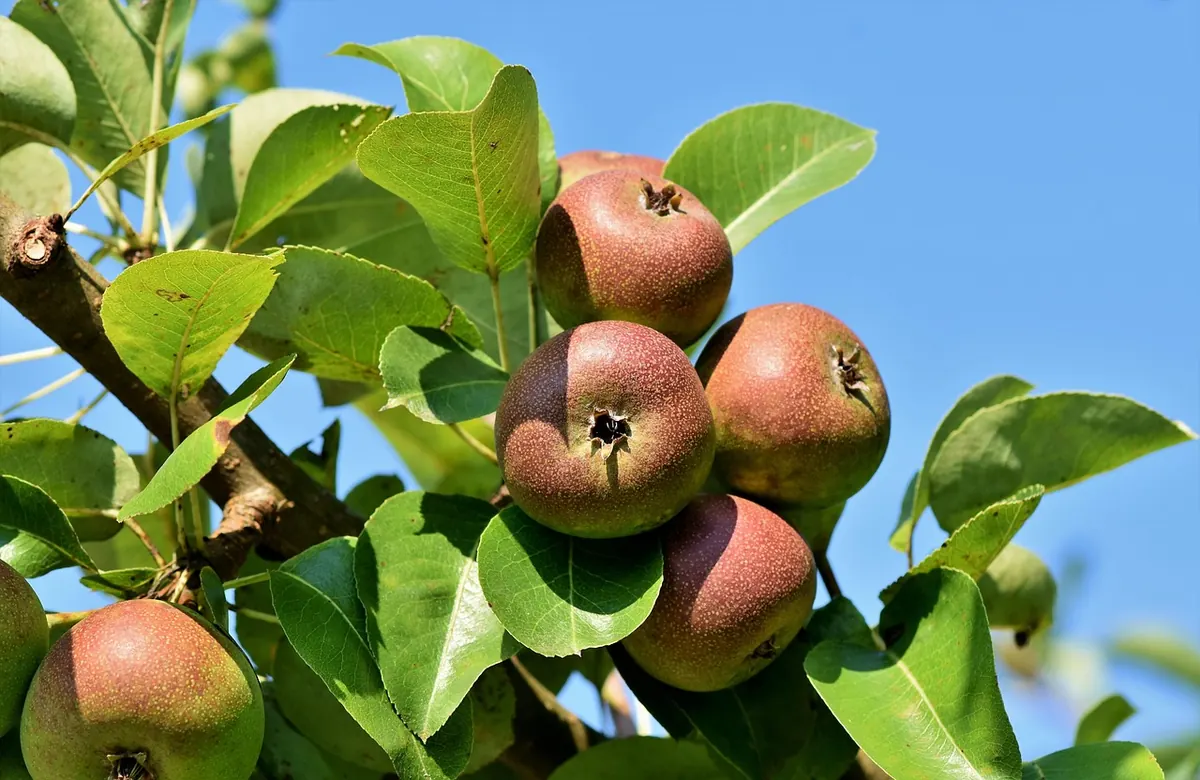
Pears are a different matter. Conference is the most reliable keeper of the common varieties; Comice and Williams' Bon Chrétien are best eaten within a few weeks of picking and rarely repay long storage. Keep pears in a separate box from apples, too. Pears are sensitive to the ethylene that apples give off, and it will push them towards over-ripeness faster than you expect.
Traditional wrapping is not fussiness. It stops fruit touching, so one rotting apple cannot infect its neighbours, and it slows moisture loss so skins stay taut instead of wrinkling.
Skip the wrapping for anything you plan to eat within a month. Loose fruit in a single layer, stored cool, is perfectly fine and far less work.
Temperature. Aim for around 2–5°C for apples and slightly cooler for pears. A fridge, an unheated garage, a north-facing pantry or a frost-free corner of a shed will all work. Steady cold matters more than perfect cold, and anything below 0°C damages the flesh. Freezing and thawing is worse than simply being a degree or two warm.
Darkness. Light encourages greening and warms the box. Keep boxes covered and away from windows.
Humidity. Something like 85–90% relative humidity is ideal. In a dry shed, line the box with polythene punched with a few holes, or drape a damp cloth over the top and refresh it every few days. In a fridge, fruit does better in the salad drawer than in the door.
Ventilation. Some air movement is essential. A sealed container will sweat and grow mould, so leave gaps, avoid stacking boxes tight against a wall, and open the shed door for a few minutes on dry days. Keep apples well away from potatoes, onions and other vegetables — apples release ethylene that makes potatoes sprout, and the smell of onions will find its way into the fruit.
This is the part most people skip, and it is the reason stores fail. Every seven to ten days, go through the boxes. Lift each apple if it is loose, or unwrap a sample if it is wrapped.
Remove anything suspect immediately, and take the neighbours on either side with it, because rot travels by contact. Dispose of mouldy fruit rather than putting it on the compost heap next to your trees, where the spores can find their way back. Handle everything gently: the bruise you make now is the rot you find in three weeks. Work through the oldest varieties first, and eat the short-keepers before the long ones.
Pears are awkward because they ripen from the inside out. One that feels firm in the hand can be soft and grainy at the core, and by the time the outside gives, the middle has gone. The remedy is to store them under-ripe and finish them indoors. Take a few out at a time, bring them into a warm room and let them sit for three to seven days, until the neck just yields to gentle thumb pressure near the stalk. Then eat them promptly — a ripe pear waits for nobody.
Store in small quantities rather than one big box, so a problem in one batch does not wipe out the harvest. Keep a note of variety, date picked and date stored. Eat the short-keepers first, then the mid-season apples, and save the Bramleys and russets for the lean weeks after Christmas. Fruit that turns soft without rotting can go straight into a pan for sauce, pies or a crumble, so nothing needs to be wasted.
Do this and even a modest orchard will keep you in fruit well into spring, with a store that smells of apples rather than mould.
Photo: NoName_13 / Pixabay
Dwarf rootstocks, the right pot and steady watering turn a small patio into a productive orchard. Here is how to...
Reliable apple varieties for UK orchards that resist scab, mildew and canker, so you can spray less and still pick...
October 10, 2026 - Gardening Tips
October 07, 2026 - Varieties
Copyright © 2026 Orchard Zone. All Right Reserved.